

Your Brand Is Invisible to AI Search Engines
LLMs don't rank pages — they cite sources. Getting cited requires structured authority signals, answer-first content, and semantic architecture built for how AI systems actually retrieve information.
How AI Systems Decide What to Cite
Structured Authority Signals
Answer-First Content Architecture
Multi-Platform Citation Coverage
Answer Engine Optimization restructures your content so it directly resolves the exact queries AI systems retrieve — turning every page into a citable, high-confidence response.
LLMs weight entities, schema markup, and citation patterns — not keyword frequency. We build the structured-data architecture that makes your brand a trusted, retrievable source.
We position your brand as the cited source across ChatGPT, Perplexity, Gemini, and emerging AI discovery platforms — not just the Google ten-blue-links result.
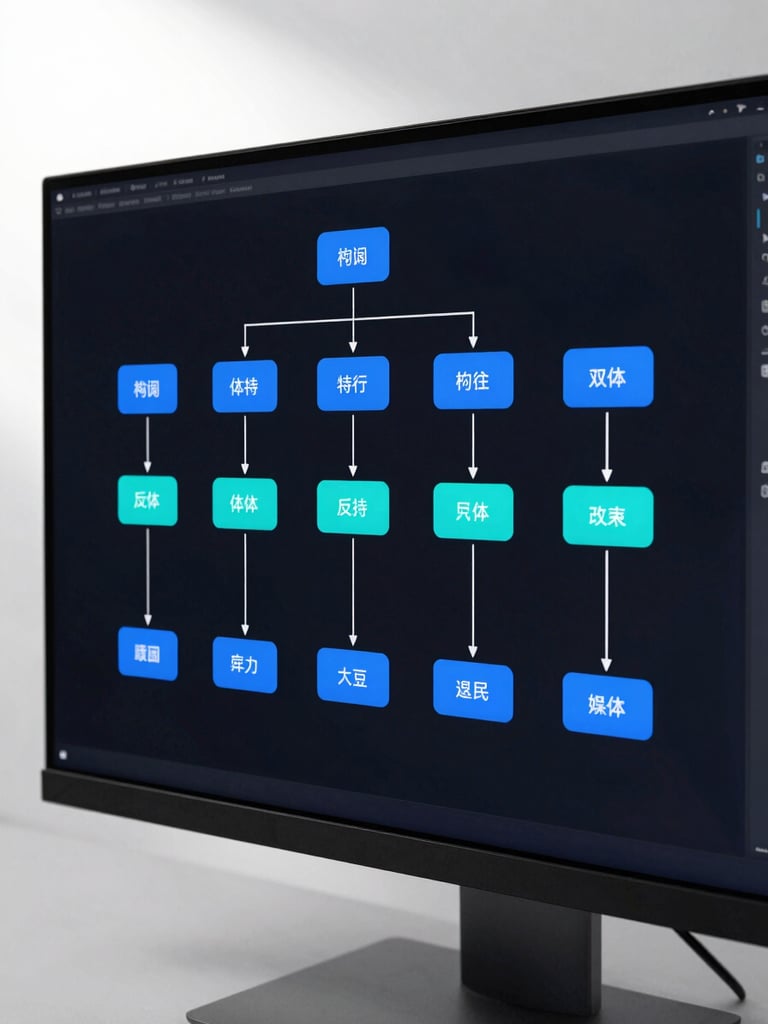
Four Steps to AI-Search Visibility
01 — Entity Audit & Knowledge Graph Mapping
Identify how LLMs currently represent your brand, map entity gaps, and establish the structured-data baseline across your domain.
02 — Semantic Architecture Rebuild
Restructure content hierarchy, internal linking, and schema markup to align with how answer engines extract and validate authoritative sources.
03 — Answer-First Content Deployment
Rewrite or create pages that directly resolve high-value queries — formatted for featured snippets, AI overviews, and LLM retrieval simultaneously.
04 — Citation Monitoring & Iteration
Track brand mentions across AI platforms, identify citation gaps, and iterate the authority signals that drive consistent multi-platform discoverability.
Ready to Be Cited?
LLM SEO & AEO — What You Need to Know
Start with a full audit of your current AI-search visibility — entity coverage, schema gaps, and citation opportunities across ChatGPT, Perplexity, and Gemini.
What is LLM SEO and why does it differ from traditional SEO?
Traditional SEO targets crawl-and-rank signals. LLM SEO targets the retrieval and citation signals that language models use — entity recognition, semantic authority, and structured-data provenance.
How long before my brand appears in AI-generated answers?
Entity and schema changes are often indexed within weeks. Sustained citation presence across multiple AI platforms typically builds over 60–90 days of consistent structured-data and content deployment.
Does this service replace Google SEO or complement it?
It complements and strengthens it. The semantic authority and structured-data signals that drive LLM citations are the same signals Google's AI Overviews now weight heavily — one investment, two channels.